
Mammography Program
What is a mammogram?
A mammogram is a low‑dose X‑ray of the breast used to look for signs of breast cancer. A screening mammogram checks for cancer before you notice any symptoms. A diagnostic mammogram is done if you have a concern, such as a lump, pain, nipple discharge, or skin changes.
Breast cancer is one of the most common cancers affecting women in Canada. Finding it early makes a big difference, when breast cancer is detected early, the five‑year survival rate is very high. Regular mammograms are the gold standard to find breast changes early, often before cancer develops.
Where do I get a mammography exam completed?
Georgian Bay General Hospital’s Diagnostic Imaging Department is located on the main level just past the switchboard and near the Emergency Department.
How long does a mammogram take?
Most mammograms take about 15–20 minutes to complete. A diagnostic mammogram may take a little longer if extra images are needed to fully examine an area of concern.
If you are unable to keep your appointment, please notify us by immediately. GBGH Diagnostic Imaging Reception: 705-526-1300 x 5090
Who performs a mammogram?
Your mammogram is performed by a Medical Radiation Technologist (MRT), who is specially trained to do the exam safely and correctly. A Radiologist who’s specially qualified to interpret breast imaging then reviews and interprets the images.
How do I prepare for a mammogram?
There are a few things to do or keep in mind when scheduling your mammogram, including:
- If you’re pregnant or think you may be pregnant, tell your healthcare provider. They may recommend the best time to get a mammogram or suggest starting with an ultrasound.
- If you are breastfeeding, try to pump or nurse right before your mammogram to empty your breasts. This can help make the exam more comfortable and improve image quality. You do not need to pump and discard your breast milk after the procedure.
- If you still get a menstrual period, try not to schedule your mammogram the week before you get your period or during your period. Your breasts may be tender during this time, which could make the procedure more uncomfortable.
- Please tell the scheduler if you have breast implants or have had a recent vaccination.
On the day of your mammogram, follow these guidelines:
- Follow your normal routine — eat, drink and take your usual medications.
- Please avoid wearing deodorant, perfume, lotion, or body powder, as these can affect the quality of the images.
- You will need to undress from the waist up for your mammogram. A medical gown will be provided, or you may prefer to wear a zip‑up or button‑down shirt for convenience.
During the mammography exam:
A mammogram involves the following steps:
- You’ll need to remove all clothing and jewelry above your waist. A provider will give you an open-front hospital gown or drape to wear.
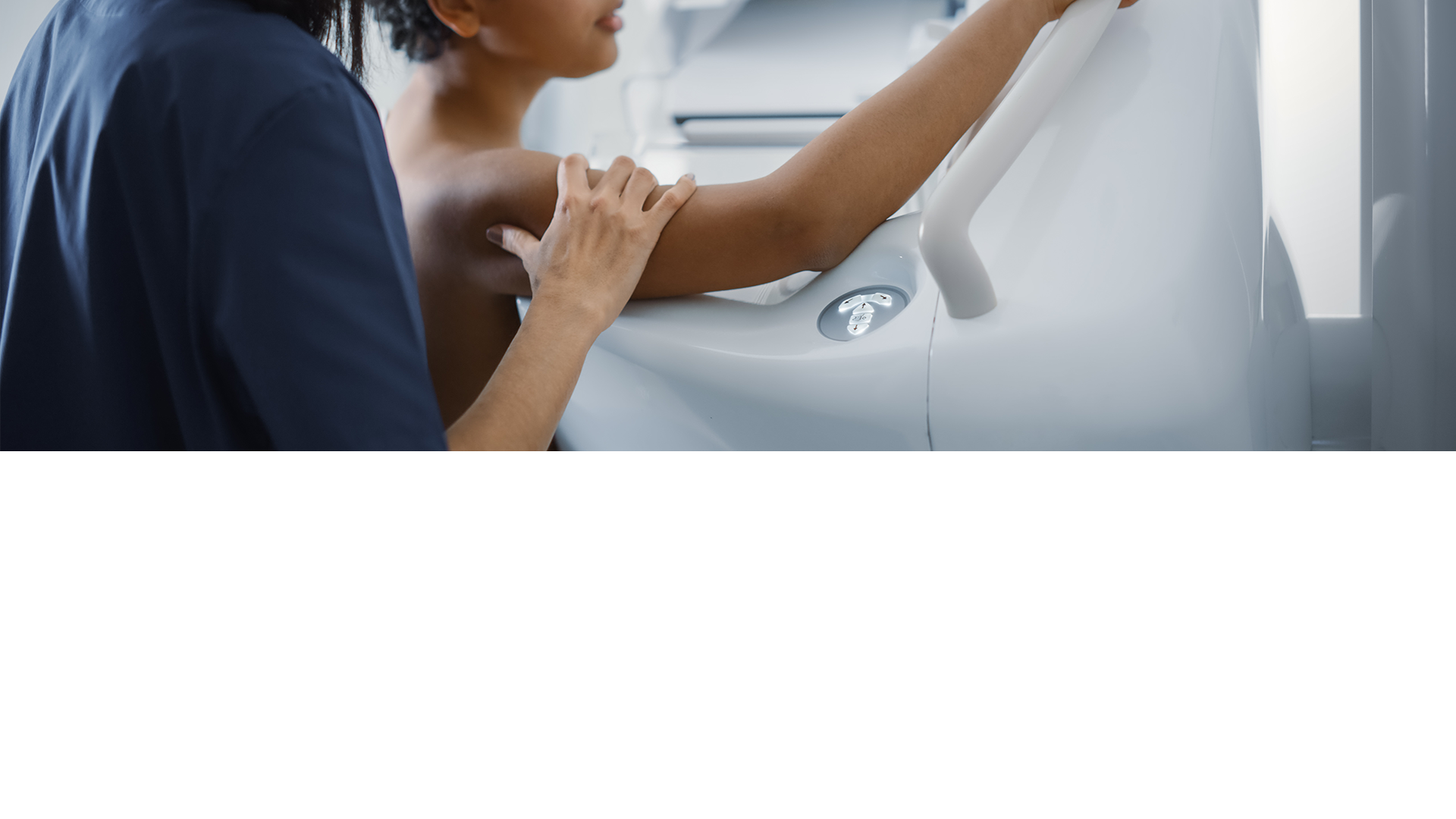
- You will stand in front of the mammogram machine while the technologist helps guide you. One breast at a time will be gently positioned on a support plate to take the images.
- The technologist will gently lower a plastic plate to compress your breast for a few seconds while the images are taken. You may feel some pressure or mild discomfort, but it should only last briefly. If it becomes uncomfortable, let the technologist know, they can adjust the pressure to help you feel more at ease.
- While your breast is gently compressed, the machine will take X‑ray images needed for your mammogram.
- The process will be repeated as needed to ensure all breast tissue is clearly imaged.
- Once the technologist has finished taking the images, your mammogram is complete. You can get dressed and leave the facility.
- Most people will be able to resume their normal activities immediately after their mammograms.
Do mammograms hurt?
Having a mammogram is uncomfortable for some people because of the pressure needed to get clear images. For a few, it can feel painful. The good news is that the pressure only lasts a few seconds, and the exam is over quickly. If you feel significant pain or discomfort, let the technologist know right away.
The level of discomfort you may feel depends on a few factors, including:
- The size and density of your breasts.
- How much compression is needed to get clear images.
- Where you are in your menstrual cycle.
- The technologists positioning and technique.
- Your ability to relax and hold the best position for the images.
Every effort is made to keep you as comfortable as possible during the exam.
How do I get my results:
Results from the Radiologist will be sent to your ordering Physician to discuss with you. They will also be available on the MyHealth Portal.
If additional imaging or follow-up is needed, Diagnostic Imaging staff will contact you directly to arrange further appointments.